WOODWORKING TOOLS & DIY

Japanese SHINTO Saw File Rasp | Double-sided | Made in Japan

$60.99
TYPE

DESCRIPTION :
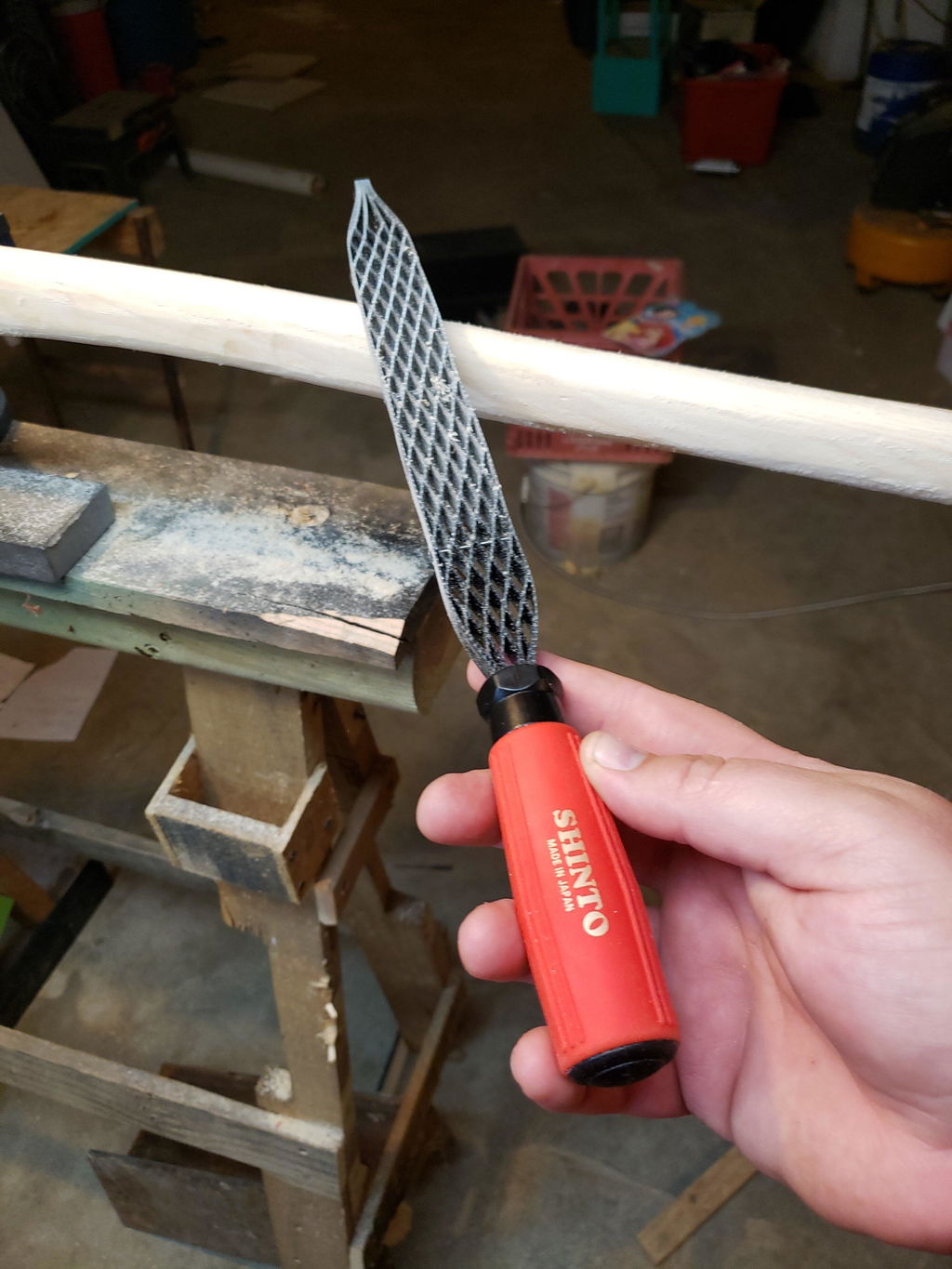
Japanese Shinto Saw File Rasp, Double-sided, Made in Japan. Woodworking Tools Hardwood Wood Carving Guitar Files. Extremelly fast cutting. Material can be removed very fast and in controlable way. It cuts on both sides, course and fine teeth. They are made for woodworking, but can be used on plastic also.

Shinto Saw File Rasp is made up of a number of curved and straight saws, made of SK steel, with the cutting force of the saw and the flatness of the file. The gap in the middle can quickly discharge the debris that has fallen. Unique in their construction, each rasp features rows of hardened saw-tooth blades delivering aggressive stock removal on one side and refined shaping on the other.

Ideal for shaping chair legs, sculpting curved components, fitting joints and cleaning up end grain, the Shinto rasp outperforms traditional hand rasps and surforms across a wide range of hardwoods and softwoods. Durable, double-sided and remarkably easy to re-sharpen, it's an essential addition to any serious furniture-making or woodworker's workshop.

Without a doubt, this will be one of the best investments in your shop. Well known Japanese unique style Shinto saw rasp, is now in our store.

Material: SK steel

Japanese SHINTO Saw File Rasp

TYPE :
L (250mm) :
• Full length about 380mm / 15“
• Blade length about 250mm / 10.6“
• Blade width about 28mm /1.1“, Blade thickness about 12mm
• There are two file surfaces: a middle tooth surface and a coarse tooth surface (with a pitch of 1mm on the middle tooth surface and 2.5mm on the coarse tooth surface)

Japanese SHINTO Saw File Rasp

S-01 (200mm) :
• Full length about 330mm / 13“
• Blade length about 220mm / 8.6”
• Blade width about 28mm/1.1“, Blade thickness about 12mm
• There are two file surfaces: a medium tooth surface and a coarse tooth surface (with a pitch of 1mm on the middle tooth surface and 2.5mm on the coarse tooth surface)

Japanese SHINTO Saw File Rasp

S-02 (200mm) :
• Full length about 330mm / 13“
• Blade length about 200mm / 8.6”
• Blade width about 28mm/1.1“, Blade thickness about 12mm
• There are two file surfaces: a medium tooth surface and a fine tooth surface (with a pitch of 1mm on the middle tooth surface and 0.8mm on the fine tooth surface)

Japanese SHINTO Saw File Rasp

With hand rail :

Japanese SHINTO Saw File Rasp

No hand rail :

Japanese SHINTO Saw File RaspJapanese SHINTO Saw File RaspJapanese SHINTO Saw File RaspJapanese SHINTO Saw File Rasp
Japanese SHINTO Saw File Rasp

The Shinto is an “intermediate” shaping tool , what I would call a “medium” tool in the “coarse, medium and fine” classification system I use for most tools. It is best used after the coarse shaping of the band saw, jigsaw or turning saw. The rasp’s long length allows you to true a curved surface up and remove the coarse marks from the saw blade. But it won’t produce a ready-to-finish surface at the end, even with the fine teeth. After shaping the legs with the band saw and Shinto, I took them to their finished state with a cabinet file and a little scraping (files and scrapers are classic “fine” tools).

The Shinto is as fast at shaping as any traditional rasp I’ve used, and it leaves a remarkably nice surface for a hacksaw-based tool. 
Customer Reviews

Based on 8 reviews
100%
(8)
0%
(0)
0%
(0)
0%
(0)
0%
(0)
R
Ryan B.
Just Plain Awesome!

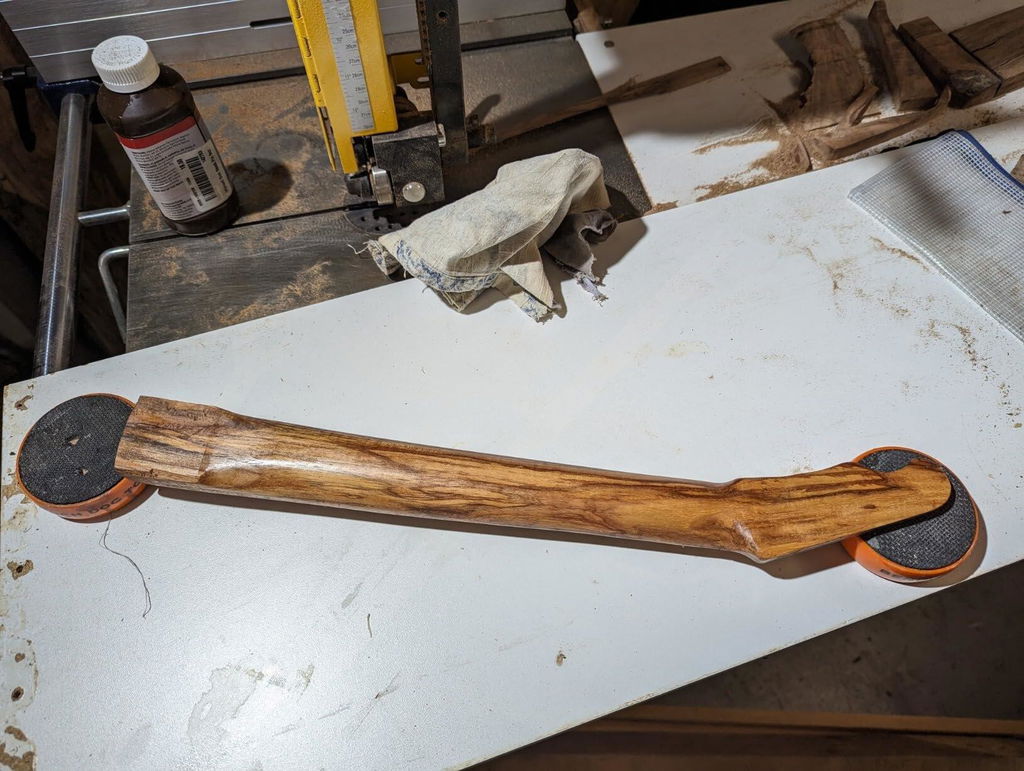
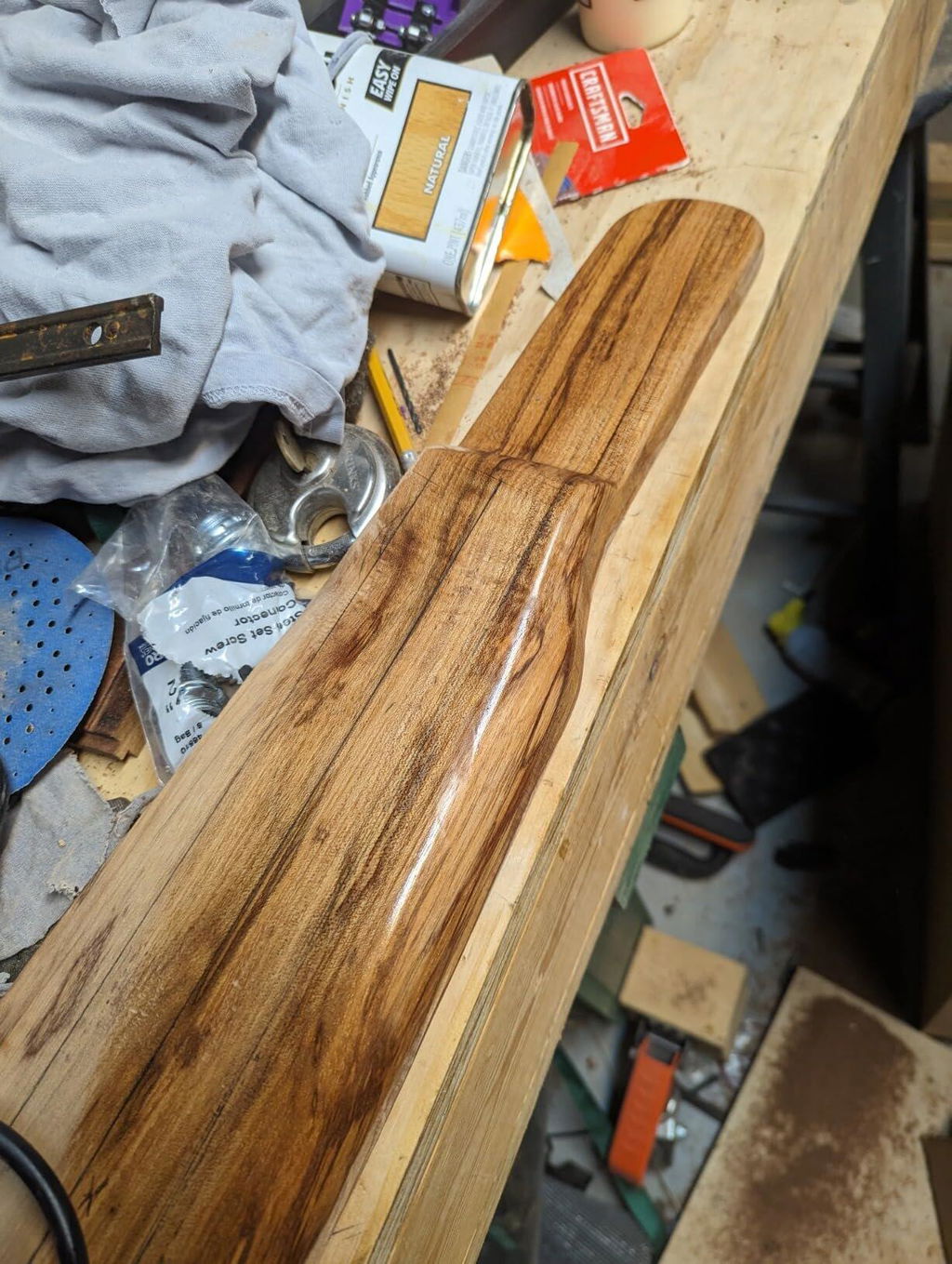
This is the funnest tool I've used in a while. I got a bunch of hickory from tree that we took down a few years ago and I've been using this on a few different projects. Course side is super aggressive and fine side is much easier to be careful with removing too much material. So far I've used it on an electric ukulele neck, some knife scales, and shaping the top of a lap steel guitar. It cuts through hard hickory like butter. Too much pressure or too steep an angle will cause more noticeable scratches. It takes a little practice to find the right groove.

G
GEORGE C.

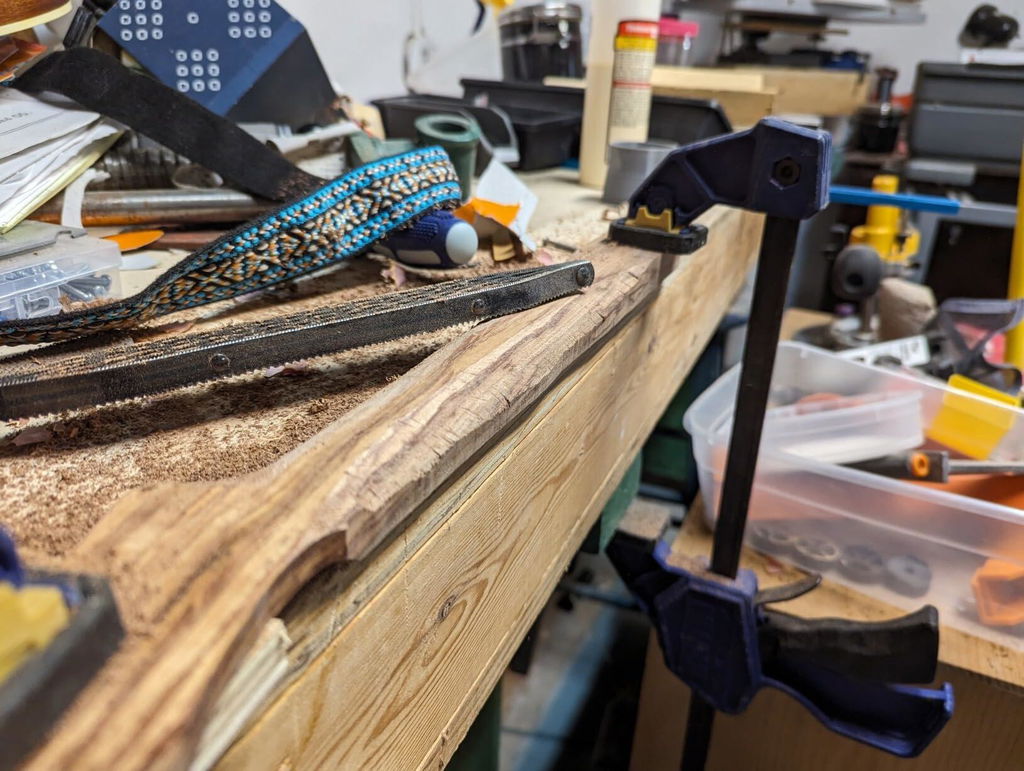
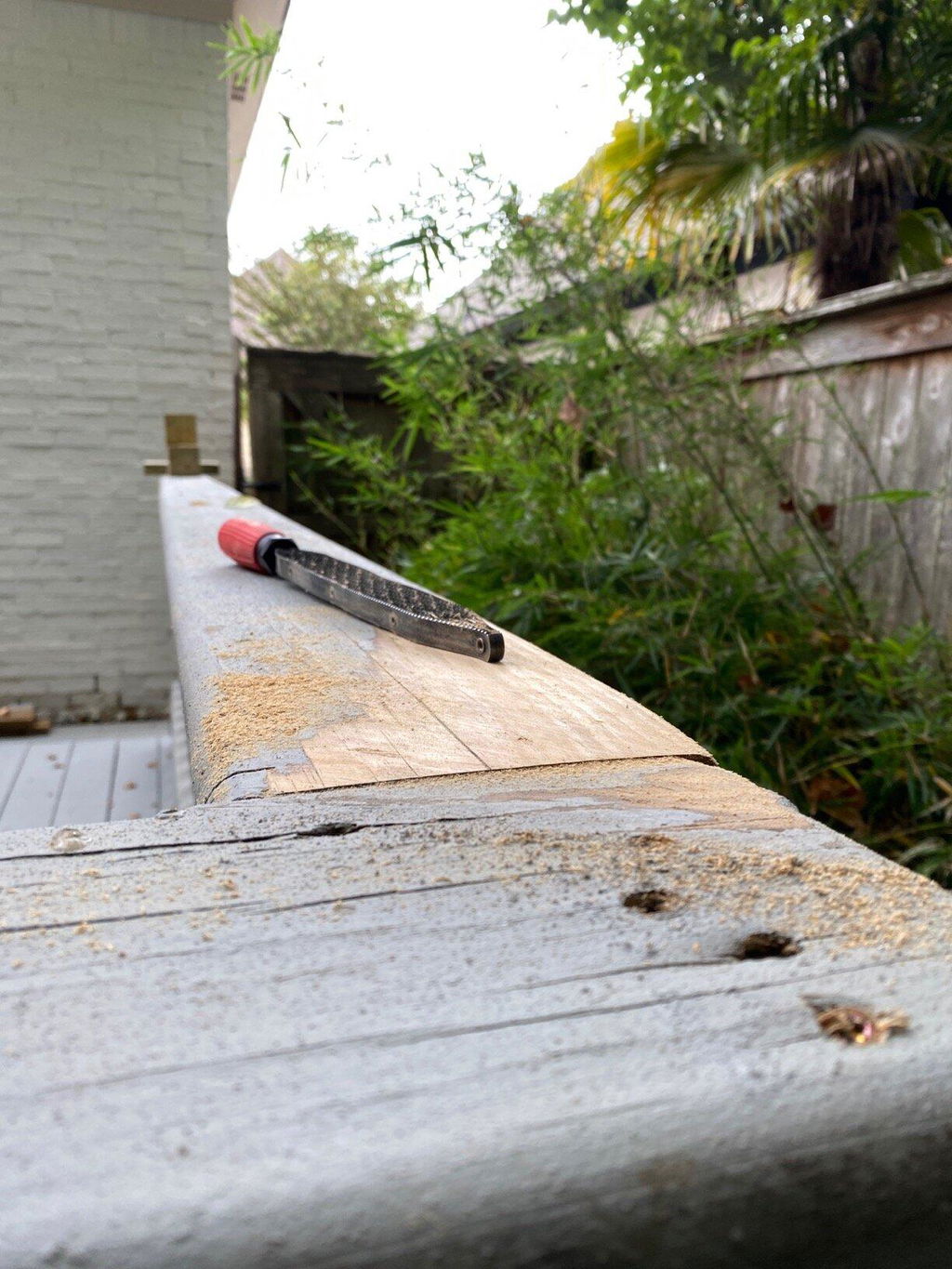
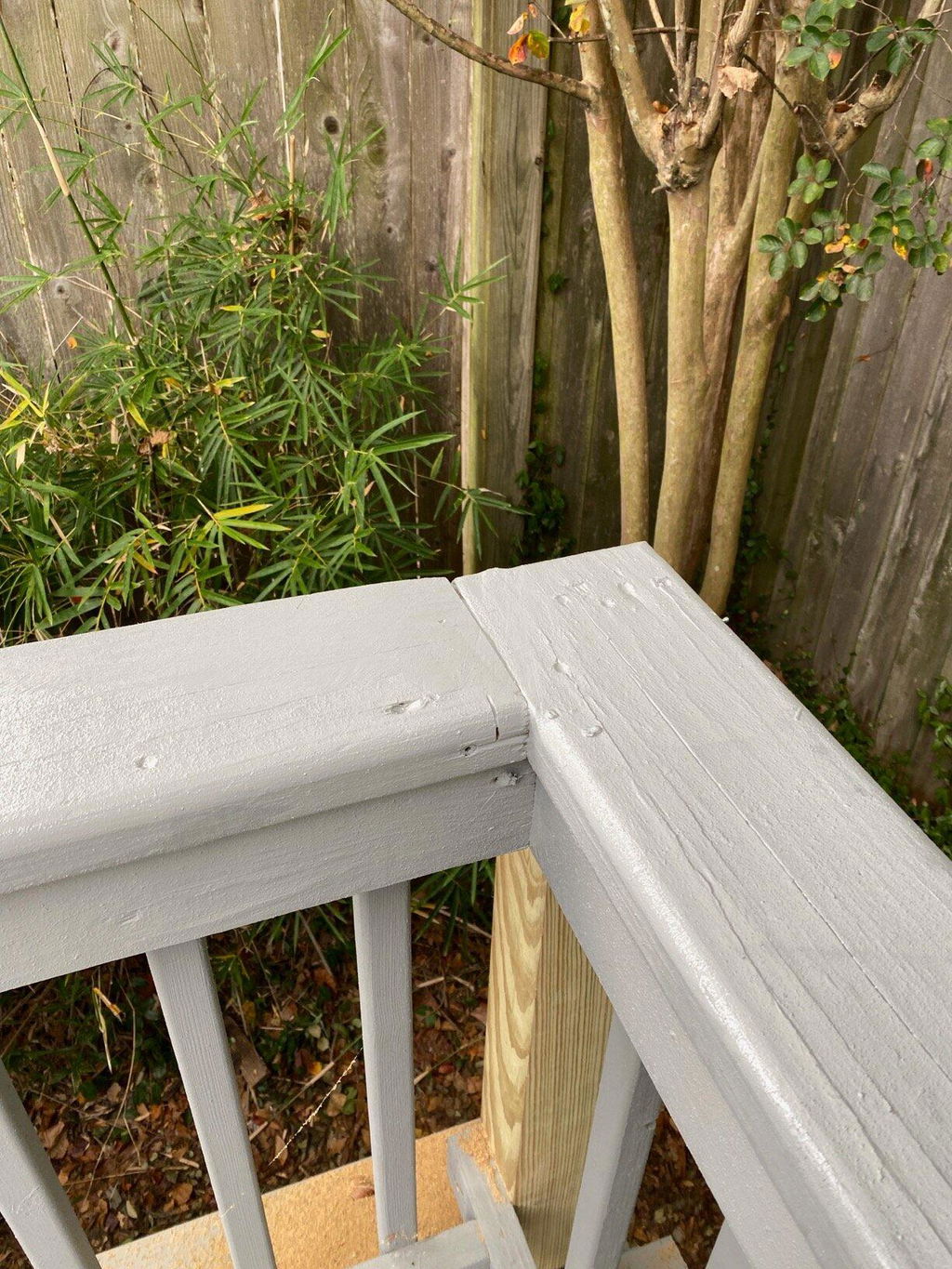
This thing is a beast and a gentleman ... not a rasp and not a saw, but a saw-rasp with coarse and fine sides? Watched several videos on use of this tool and decided to try one for 'tuning up' some original construction (inherited) errors on my deck. Had to replace a few posts and the corner post rails were mismatched by 1-1/2" in height. I removed the rails and cut off the adjacent post to level things up. But the rail was also cupped and would not pull down flush in the corner. After about 5 minutes the the Shinto, I shaped the corner to a near-flush fit with the coarse side then polished the surface with the fine side. HIGHLY recommend this tool for pro and DIY use! Will be ordering some for gifts!

T
Timothy M.
Wow! Just WOW!

I chose to buy this first and I'm SO glad I did! THIS thing is absolutely amazing!! I honestly can't put into words how well it works and I highly recommend it if you want to shape a handle for instance. Just change the angle you push the file and it will do the work with ease. It made thinning this bulky handle a breeze. If you want to take edges off of wood or round something off, BUY THIS THING!

R
Russell T.

Got this to use in shaping handles. Have not had a chance to do that yet but spent the afternoon cleaning up the edge of a longboard made of Pecan. I started with the coarse side and quickly switched to the shooting side, it is plenty sharp and works well on the hard wood. Get the one with the handle, it is a great way to hold onto this thing and the off set it provides gives both leverage and control. I was able to get the edges square in no time and used it to square off the back end of the board, the end grain. I love this thing and look forward to using it again!

B
Brian T.
Removes wood fast and refines well.

I've been restoring a few vintage axes and rehafting them. There's a lot of fitting to be done on the tongue of a new handle but also a lot to remove under the cheeks of the axe, thinning them to the thickness of the head or less so the handles don't get damaged.

On my first axe, I shaped the entire handle with a four-in-hand rasp, a file and sandpaper, it worked but it took a long time and a lot of effort. Then I read a few recommendations for the Shinto rasps on a Bushcrafter forum. Haven't used the Shinto on an axe handle yet but I did use it to chamfer the top edges of a red oak block to use as a base for a leather strop. It ground through the oak with very little effort and I was able to refine the tool marks with the finer side. I went over the finished block with 120 grit w/d and was ready to cement the latigo in place.

If you need to remove a lot of wood quickly and leave a semi-finished surface, check out these Shinto rasps, they're absolutely worth buying and a real bargain for the price.

J
John A.
Very nice rasp

This is a very aggressive tool. Expect to do finishing work to get rid of the marks this tool leaves behind. Both sides are aggressive. It is a nice tool though. It will be used when I need to remove a lot of material fast.

G
Grant D.
Fantastic tool for wood workers

I bought this from a recommendation. I am quite pleased. This is the best and most versatile rasp I’ve ever used. It has a rough and fine side. Simple amazing tool..

J
Jay A.
You need this added to your toolbox!

Why did I own any other rasp for so long? This is my favorite wood-shaping tool. I figured the blade teeth would get clogged and dull eventually, but my first is a few years old and still hasn't slowed down.

- I love having course and fine on one tool.

- comfy grip with solid construction,

- works fast and it's easy to clean up the results (no uneven gouging in the rasped area).

- easier to clean than a conventional rasp.

You recently viewed

Clear recently viewed

Customer Reviews

Based on 8 reviews
100%
(8)
0%
(0)
0%
(0)
0%
(0)
0%
(0)
R
Ryan B.
Just Plain Awesome!

This is the funnest tool I've used in a while. I got a bunch of hickory from tree that we took down a few years ago and I've been using this on a few different projects. Course side is super aggressive and fine side is much easier to be careful with removing too much material. So far I've used it on an electric ukulele neck, some knife scales, and shaping the top of a lap steel guitar. It cuts through hard hickory like butter. Too much pressure or too steep an angle will cause more noticeable scratches. It takes a little practice to find the right groove.

G
GEORGE C.

This thing is a beast and a gentleman ... not a rasp and not a saw, but a saw-rasp with coarse and fine sides? Watched several videos on use of this tool and decided to try one for 'tuning up' some original construction (inherited) errors on my deck. Had to replace a few posts and the corner post rails were mismatched by 1-1/2" in height. I removed the rails and cut off the adjacent post to level things up. But the rail was also cupped and would not pull down flush in the corner. After about 5 minutes the the Shinto, I shaped the corner to a near-flush fit with the coarse side then polished the surface with the fine side. HIGHLY recommend this tool for pro and DIY use! Will be ordering some for gifts!

T
Timothy M.
Wow! Just WOW!

I chose to buy this first and I'm SO glad I did! THIS thing is absolutely amazing!! I honestly can't put into words how well it works and I highly recommend it if you want to shape a handle for instance. Just change the angle you push the file and it will do the work with ease. It made thinning this bulky handle a breeze. If you want to take edges off of wood or round something off, BUY THIS THING!

R
Russell T.

Got this to use in shaping handles. Have not had a chance to do that yet but spent the afternoon cleaning up the edge of a longboard made of Pecan. I started with the coarse side and quickly switched to the shooting side, it is plenty sharp and works well on the hard wood. Get the one with the handle, it is a great way to hold onto this thing and the off set it provides gives both leverage and control. I was able to get the edges square in no time and used it to square off the back end of the board, the end grain. I love this thing and look forward to using it again!

B
Brian T.
Removes wood fast and refines well.

I've been restoring a few vintage axes and rehafting them. There's a lot of fitting to be done on the tongue of a new handle but also a lot to remove under the cheeks of the axe, thinning them to the thickness of the head or less so the handles don't get damaged.

On my first axe, I shaped the entire handle with a four-in-hand rasp, a file and sandpaper, it worked but it took a long time and a lot of effort. Then I read a few recommendations for the Shinto rasps on a Bushcrafter forum. Haven't used the Shinto on an axe handle yet but I did use it to chamfer the top edges of a red oak block to use as a base for a leather strop. It ground through the oak with very little effort and I was able to refine the tool marks with the finer side. I went over the finished block with 120 grit w/d and was ready to cement the latigo in place.

If you need to remove a lot of wood quickly and leave a semi-finished surface, check out these Shinto rasps, they're absolutely worth buying and a real bargain for the price.

J
John A.
Very nice rasp

This is a very aggressive tool. Expect to do finishing work to get rid of the marks this tool leaves behind. Both sides are aggressive. It is a nice tool though. It will be used when I need to remove a lot of material fast.

G
Grant D.
Fantastic tool for wood workers

I bought this from a recommendation. I am quite pleased. This is the best and most versatile rasp I’ve ever used. It has a rough and fine side. Simple amazing tool..

J
Jay A.
You need this added to your toolbox!

Why did I own any other rasp for so long? This is my favorite wood-shaping tool. I figured the blade teeth would get clogged and dull eventually, but my first is a few years old and still hasn't slowed down.

- I love having course and fine on one tool.

- comfy grip with solid construction,

- works fast and it's easy to clean up the results (no uneven gouging in the rasped area).

- easier to clean than a conventional rasp.